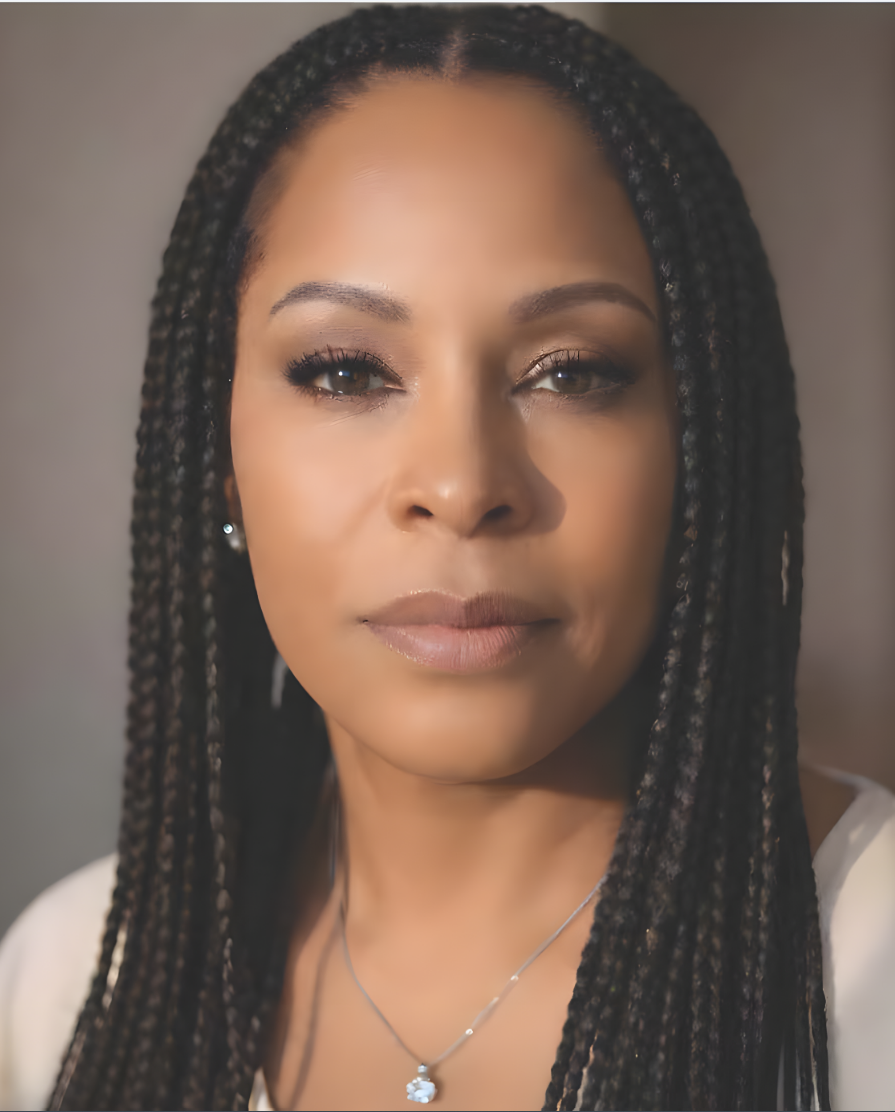
I did not begin this work because I was afraid of AI. I began it because I knew what it felt like to wonder whether everything I had spent years learning still mattered.
Traci Brown
Founder, TRE Consulting LLC d/b/a InclusAI
For more than fifteen years, I worked in roles where success depended on the things that rarely appear in a job description: judgment, timing, context, pattern recognition, and knowing what needed to happen before someone asked.
That is the side of the rollout most organizations never see. My work helps them identify the readiness conditions that tools, training, and adoption metrics tend to miss, so experienced professionals can integrate AI without leaving their judgment or institutional knowledge behind.
Then AI entered the workplace, and most of the conversation started in the wrong place. Organizations focused on tools, training, and adoption. Almost nobody was asking whether the person sitting in front of the technology had been given the conditions to use it well.
The moment I realized the problem was bigger than me
At first, I thought the uncertainty I felt was personal. Maybe I needed more technical knowledge. Maybe everyone else understood something I did not.
But the more I listened, the more I heard the same concerns across every role. People were completing training but still hesitating. They were using AI quietly while worrying that asking questions would expose them. Experienced professionals were questioning whether their judgment still counted.
These were not people refusing to learn. They were people being asked to perform before they had been given the time, permission, language, and support required to become ready.
I gave that experience a name: Quiet Technophobia™. Not fear. Hesitation beneath competence. The silent withdrawal of experienced professionals from AI adoption when the conditions for engagement were never built for them. Once I could name it, I could build around it.
Why InclusAI exists
People should not have to lose confidence in their experience, judgment, or professional identity in order to participate in the AI era.
Readiness is the condition that allows people to use AI with judgment, confidence, context, and purpose. It is not a completed training module. It is not a usage target. It is the formation layer that most AI strategies skip entirely.
When that layer is missing, hesitation is labeled resistance. Surface use is labeled adoption. Training completion is treated as proof that people are prepared. The deeper issue remains untouched. InclusAI exists to help organizations see that issue earlier and respond before it becomes stalled adoption, lost trust, or wasted investment.
What makes this work personal
My background is administrative, executive support, and talent operations. I worked in the spaces between formal processes for years, interpreting context, anticipating needs, protecting relationships, and keeping work moving when the documented process was not enough. Most of that intelligence was invisible.
AI helped me see it differently. The experience I once worried had become less relevant turned out to be the source of my differentiation. Lived experience, organizational memory, and human judgment are not obstacles to AI adoption. They are part of what makes responsible adoption possible.
Credentials
USPTO Trademarks
Quiet Technophobia™ · Mindset Intelligence™
Copyrighted Frameworks
Five copyrighted frameworks filed
A note from me
Building this work has required more patience and self-trust than I expected. It is difficult to introduce language for a problem people have experienced but have not yet learned to recognize.
Still, I remain close to the reason I began. There are capable people entering this era who are quietly wondering whether they still belong. Their experience is not obsolete. It is unfinished intelligence waiting to be translated.
Readiness is not a soft concern sitting beside the AI strategy. It is part of the infrastructure that determines whether the strategy works.
Most AI strategies start at adoption.
I work in the layer before that.
Licensing inquiries,
speaking requests,
pilot partnerships, and
collaboration conversations welcome.
Get in Touch