
Home Ecosystem Mindset Intelligence™ PRONOIA Insights Philosophy About
Illustration of a thoughtful woman seated on a PRONOIA book wearing a shirt that reads 'I have arrived!'

BEHIND THE WORK

The AI industry built for the people who were already comfortable.
I built for everyone else.

Technology was accelerating. The most experienced professionals in the workforce were not falling behind because they lacked ability. They were being overlooked because no one designed a way in for them.

The gap was never skill. It was belief, clarity, and structure. Every framework in this ecosystem exists to close that gap.

InclusAI exists to build that bridge. Five copyrighted frameworks. Each one designed to preserve the value of experience while opening pathways into a world that was moving without them.

Methodology grounded in the same learning science that powers the most advanced AI systems.
Read: Human-Centered AI Has a Missing Layer

Exclusive licensing is available for InclusAI's first-mover frameworks.

For organizations ready to empower mid-career professionals and secure a strategic advantage, licensing discussions are now open.

What I Build

InclusAI develops pre-adoption readiness infrastructure using a user-centered design process. Five copyrighted frameworks, each built from direct observation of the professionals they serve, that measure and activate workforce readiness before AI tools, training, or governance are introduced.

The architecture addresses three dimensions that existing programs miss: Quiet Technophobia (hidden resistance to technology), Mindset Intelligence (the ability to translate experience into structured AI interaction), and Stabilization Intelligence (steady, grounded engagement under technological acceleration).

This is not AI training. It is not change management. It is not a wellness program. It is the stabilization layer that sits beneath all of them, ensuring the human foundation is steady enough to support what comes next.

Flagship Product Featured Coverage

The flagship framework, PRONOIA, is copyrighted, published, and the first framework of its kind to reach market.

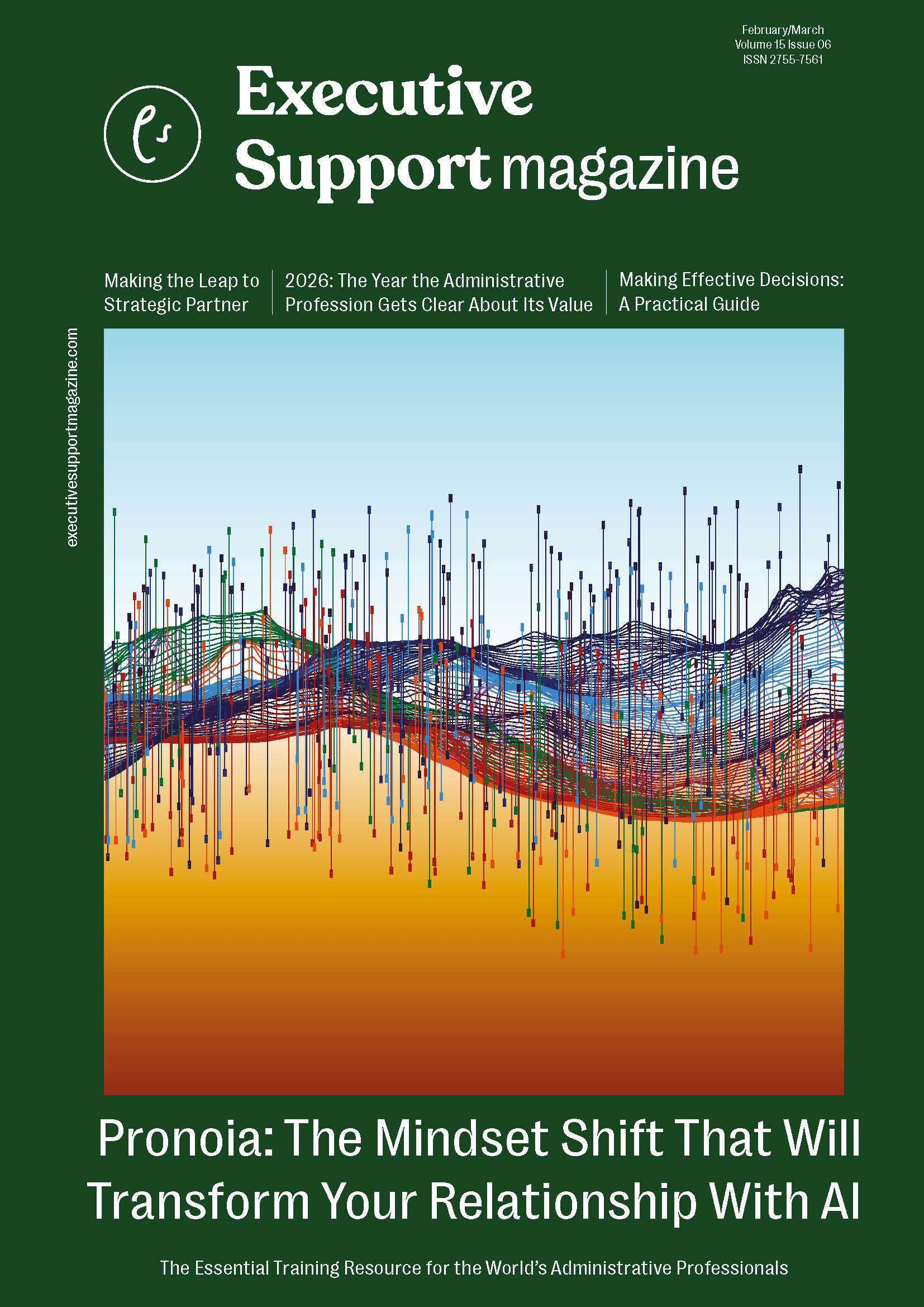
It is currently the subject of the February/March 2026 cover story in Executive Support Magazine.

It has been distributed to 58,000+ subscribers across enterprise administration and leadership.

Executive Support Magazine February/March 2026 Cover Story featuring PRONOIA

Click to read

Underserved demand: ~29.6M U.S. women ages 45–64 are currently in the labor force (2024), with limited AI adoption frameworks designed for their experience level and career stage. This gap is precisely where PRONOIA and its companion frameworks operate. The first-mover positioning addresses a population and use-case largely overlooked by existing AI education and adoption models.

Implementation Path

Four phases from inquiry to impact.

Phase 1

Discovery

Phase 2

Customization

Phase 3

Deployment

Phase 4

Evaluation

Licensing inquiries welcome. Materials shared after initial fit.

Request Licensing Brief

Frequently Asked Questions

Common questions about InclusAI and AI adoption.

Most organizations invest heavily in AI tools but underinvest in the people expected to use them. AI usage in the workplace jumped 13% in 2025, but confidence in using those tools dropped 18% over the same period. The gap between deployment and confident use is where adoption stalls. Organizations that skip the human activation layer, addressing how professionals perceive AI and their role in using it, see low returns despite high investment. InclusAI's frameworks address this gap by building professional confidence and self-recognition before technical training.

Most AI training is designed for early-career workers or technical teams. It assumes a baseline comfort with technology and skips the confidence layer entirely. For mid-career and senior professionals, the barrier is not capability. It is relevance. They need to see how AI connects to the expertise they already have before they will engage with learning the tools. Programs that skip this step see high enrollment and low sustained use.

Many accomplished professionals hold back from AI not because they lack capability, but because the conversation moved forward without them. When fluency is assumed rather than built, experienced workers quietly disengage. This is a workplace readiness gap, not a skills gap. InclusAI's frameworks address hesitation at the source: helping professionals recognize what they already bring to the table before asking them to learn new tools.

AI usage in the workplace jumped 13% in 2025, but confidence in using those tools dropped 18% over the same period. Workers are using AI because they have to, not because they feel competent doing so. This confidence gap is widest among the most experienced professionals. Organizations that deploy tools without addressing the confidence layer first see low returns on their AI investments. InclusAI's frameworks close that gap by building professional confidence before technical skill.

A human-centered AI adoption strategy starts with people rather than platforms. It prioritizes understanding how professionals perceive AI, what barriers prevent confident use, and what recognition needs to happen before tool training begins. Organizations that lead with a human-centered approach see higher sustained adoption because their workforce engages with AI from a position of confidence rather than compliance.

Mid-career professionals, especially women, face specific barriers to AI adoption that generic training programs do not address. The pace of workplace AI deployment often assumes a comfort level that was never built, and most training is designed without this demographic in mind. PRONOIA was created specifically for professionals who haven't started with AI yet, providing a guided entry point that builds confidence through recognition rather than instruction. Experience is the advantage, not the obstacle.

AI mindset transformation is the shift from technological hesitation to AI confidence. It addresses the gap between knowing AI exists and feeling ready to use it. Most training programs skip this step, jumping straight to tools and prompts. But without the mindset shift, tool training produces compliance rather than competence. PRONOIA is built around this transformation, providing a structured pathway that starts with where a person stands, not where a program assumes they should be.

Mindset Intelligence™ is the measurable capacity to recognize, recalibrate, and activate one's own relationship to technology. Developed by Traci Brown through InclusAI, it measures whether a person understands that their accumulated expertise, judgment, and lived experience are what make AI valuable, not the other way around. While most AI training focuses on teaching people to use tools, Mindset Intelligence addresses the deeper question most programs skip: do you know what you bring? It is the organizing principle behind InclusAI's AI Activation Ecosystem and the mechanism that transforms AI adoption from passive tool use into confident, expertise-driven partnership.

Quiet Technophobia™ is the silent hesitation experienced by professionals who sense that AI is advancing without them. It shows up in the workplace as self-doubt that stays unspoken: the pause before contributing in a meeting where AI is discussed, the assumption that fluency should have come more naturally, the growing sense of being passed over by a shift you didn't choose. It is a perception gap, not a capability gap. The term was coined by Traci Brown, Founder of InclusAI, and introduced in Executive Support Magazine. PRONOIA was designed as the direct response, providing a guided pathway from that silent hesitation to AI confidence.

InclusAI is a consulting firm founded by Traci Brown that develops copyrighted AI adoption frameworks for underserved markets. The company's AI Activation Ecosystem includes PRONOIA (mindset transformation for women who haven't started with AI), and additional frameworks covering talent acquisition, personal development, and post-prompt-engineering methodology. All frameworks are available for enterprise licensing, acquisition, or strategic integration.

View all frequently asked questions